How Pediatric Dentists Treat Dental Emergencies In Children
How Pediatric Dentists Treat Dental Emergencies In Children
Dental emergencies can happen when you least expect them. Your child might chip a tooth during a game, develop a sudden toothache, or injure their mouth after a fall. These situations can feel stressful, but knowing what to do can help protect your child's teeth and relieve discomfort.
Pediatric dentists have specialized experience caring for children's developing teeth and gums. They can assess dental injuries, identify the source of pain, and recommend treatment based on your child's age and needs.
What Counts As A Dental Emergency?
Some dental problems need immediate attention, while others can wait for a prompt dental appointment. Common pediatric dental emergencies include:
- Severe toothaches: Persistent or intense pain may indicate decay, infection, or an injury.
- Chipped or broken teeth: A damaged tooth may expose sensitive inner layers and require treatment.
- Knocked-out permanent teeth: Quick action can improve the chances of saving a permanent tooth.
- Loose or displaced teeth: An injury may damage the surrounding tissues or affect the tooth's position.
- Swelling or dental infections: Swelling around the gums or face may signal an infection that needs urgent care.
Uncontrolled bleeding, difficulty breathing or swallowing, or serious facial injuries require emergency medical attention.
How Pediatric Dentists Treat Dental Emergencies
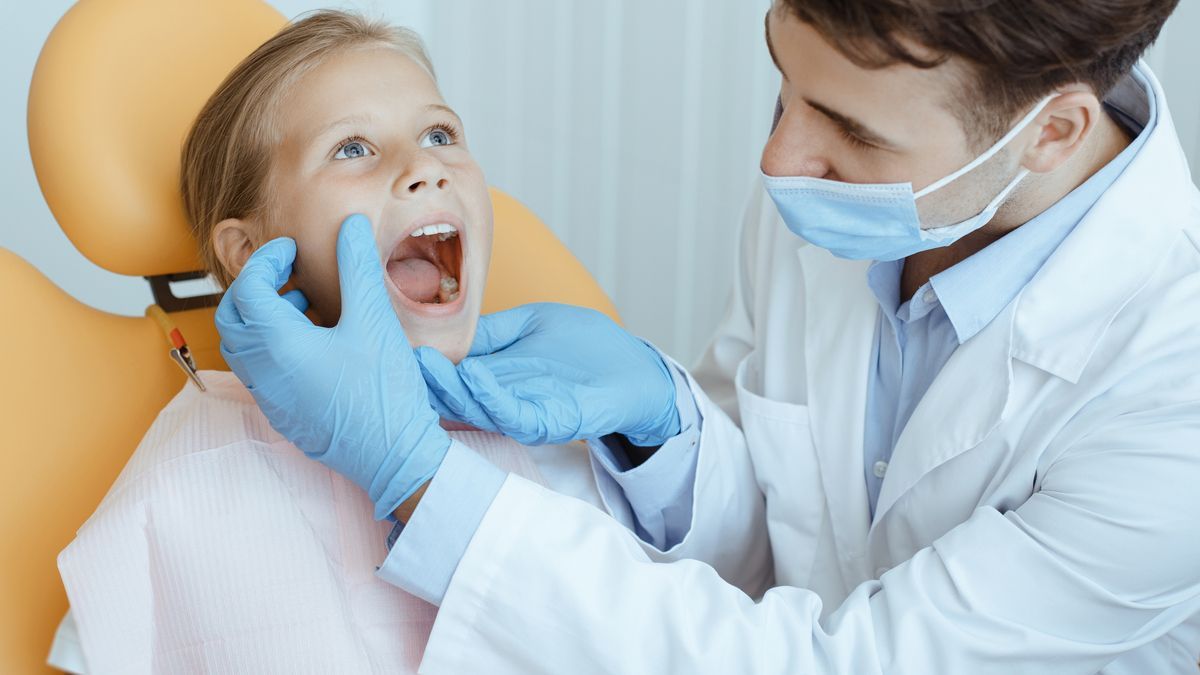
Treatment depends on the type and severity of the problem. During an emergency visit, your pediatric dentist will examine your child's mouth and may take dental X-rays to check for damage that isn't visible.
Depending on the findings, treatment may include:
- Repairing a chipped tooth: Dental bonding or another restoration can repair damage and protect the tooth.
- Treating tooth pain: The dentist will identify the cause and recommend treatment to address it.
- Managing dental injuries: The dentist may stabilize an injured tooth or monitor it as it heals.
- Treating infections: Depending on the source, treatment may involve draining an abscess, addressing the affected tooth, or prescribing medication when appropriate.
- Removing a damaged tooth: Extraction may be necessary if a tooth cannot be saved.
What To Do Before Your Child's Appointment
Your response can make a difference while you arrange dental care.
- Rinse your child's mouth gently with water.
- Apply a cold compress to the outside of the cheek to help reduce swelling.
- For a knocked-out permanent tooth, hold it by the crown, avoid touching the root, and keep it moist in milk while seeking immediate dental care. Do not reinsert a baby tooth.
- Avoid placing aspirin directly on the gums or tooth.
Get Timely Care For Your Child's Smile
Prompt treatment can relieve discomfort and help prevent some dental problems from becoming more serious. If your child experiences a dental injury or sudden tooth pain, schedule an urgent pediatric dental evaluation. When you know how to respond and where to seek appropriate care, you can help your child feel more comfortable and protect their growing smile.
Contact Dr. Robyn Ivker at
267-808-4446 to schedule an appointment at Super Tooth Dental in East Norriton, PA, 19401.